Stop Watering It Down: How to Get Client Approval Without Killing Your Best Ideas

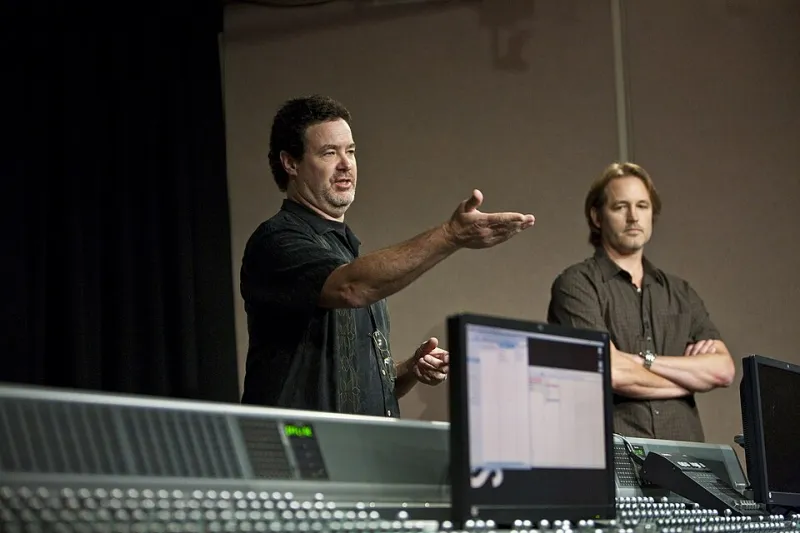
Photo: video editor presenting work to client on monitor in studio, via i.pinimg.com
Here's a habit a lot of editors pick up without realizing it. The first cut is done. It's bold, it's got rhythm, the color is doing something, the pacing actually means something. And then — right before you send it over — you second-guess yourself. You pull back the music. You swap the risky opener for something safer. You trim the silence that was doing real work.
You tell yourself you're being professional. You're meeting the client where they are. You're making it easier for them to say yes.
What you're actually doing is editing for their imagined fear instead of their real project. And nine times out of ten, you end up in more revision rounds, not fewer — because a flat cut invites more notes than a confident one.
Let's fix that.
Why Safe Cuts Actually Create More Work
The logic behind softening your first cut sounds reasonable on the surface: show something easy to approve, get the green light, move on. But clients don't experience a cautious cut as simple. They experience it as underwhelming. And when something feels underwhelming, they start poking at it — adjusting this, questioning that — because something feels off even if they can't name it.
A bold cut, on the other hand, gives them something to react to. It has a point of view. Even if they push back on a specific choice, the conversation is now about ideas rather than a vague sense that the video isn't quite there yet. That's a much more productive place to be.
Boldness also signals that you know what you're doing. Clients hire editors because they trust us to make decisions they can't make themselves. When you walk in with conviction, you're reinforcing that trust. When you walk in with a hedge, you're quietly asking them to lead — and most clients don't actually want that job.
Build the Case Before They See the Cut
One of the most underused tools in a freelance editor's toolkit isn't a plugin or a keyboard shortcut. It's a well-framed setup before the preview link even gets clicked.
Before your client watches anything, give them context. Not a disclaimer, not an apology — context. A short paragraph or a quick voice memo that says something like: "I opened with a cold start because I wanted the viewer to feel disoriented before they understand who this brand is — it creates a pull-in effect. Curious what you think."
That framing does three things. It tells them what to look for. It explains the intention behind the choice. And it invites a reaction rather than a verdict. You're not defending yourself — you're starting a conversation.
This is especially important for choices that are easy to misread without context: an unexpected music tone, a long pause before the first line of copy, a color grade that leans into something moody. Clients don't always speak the language of editing, but they respond to why.
Know Which Choices Are Load-Bearing
Not every creative decision in your cut carries equal weight. Part of editing with confidence is knowing the difference between a choice that defines the whole piece and one that's genuinely flexible.
Load-bearing choices are things like: the structural arc of the edit, the pacing of a key emotional moment, the color story you've established in the grade, the music selection that's driving the entire emotional register. These are the things worth standing firm on — or at least worth a real conversation before you cave.
Flexible choices are things like: the exact duration of an end card, which B-roll clip you used in a particular section, whether a lower third sits a half-second earlier or later. These are totally fine to adjust without much pushback. In fact, giving clients easy wins on the small stuff often creates goodwill that protects your bigger decisions.
When notes come in, sort them into these two buckets before you respond. Then address the flexible notes quickly and without friction, and bring genuine dialogue to the load-bearing ones.
How to Stand Firm Without Getting Defensive
This is the part most editors struggle with. You believe in the choice. The client is pushing back. How do you hold your ground without making it weird?
First: don't argue in the abstract. Don't say "I think this works better creatively." Say "I kept this pause because it gives the viewer a second to absorb what was just said — without it, the next line lands too fast to register." Specific reasoning beats general opinion every time.
Second: offer to show them both versions. This isn't weakness — it's confidence. When you're willing to let two options sit side by side, you're saying I'm that sure mine is right. A lot of clients will land on your original once they see the alternative. And the ones who don't at least feel heard.
Third: know when a client note is actually right. Sometimes they're going to catch something you missed. Sometimes their instinct about their own audience is better than yours. Flexibility isn't the same as caving — it's part of the job. The goal isn't to win every note. The goal is to protect the work that actually matters.
Use Revision Rounds Strategically, Not Reactively
Most freelance editing contracts include a set number of revision rounds. A lot of editors treat those rounds as a countdown — something to burn through until the client is satisfied. Flip that.
Think of revision rounds as structured checkpoints. Round one is for direction and major structure. Round two is for refinement and specific adjustments. Round three (if it exists) is for final polish. When you frame it that way — even informally in how you communicate — you reduce the likelihood of a client throwing fifty micro-notes into the first review because they know there are more chances to address details later.
It also keeps you from making sweeping changes based on early feedback that might shift anyway once they've sat with the cut for a day.
The Real Job Is Showing Up with a Point of View
Editing isn't just technical execution. The reason clients hire someone instead of doing it themselves in iMovie is because they want a perspective — someone who can look at their footage and find the story that wasn't obvious in the script.
When you soften your cut before the first preview, you're quietly opting out of that role. You're handing the creative wheel back to people who already told you they didn't want it.
Show up with your best work. Frame it clearly. Be ready to talk through the choices that matter. And trust that a client who hired you for your eye is going to respond better to a confident cut than a cautious one.
The mediocre version doesn't protect you. It just makes the whole process harder for everyone.