When the Notes Come In: Protecting Your Creative Vision Without Burning the Relationship
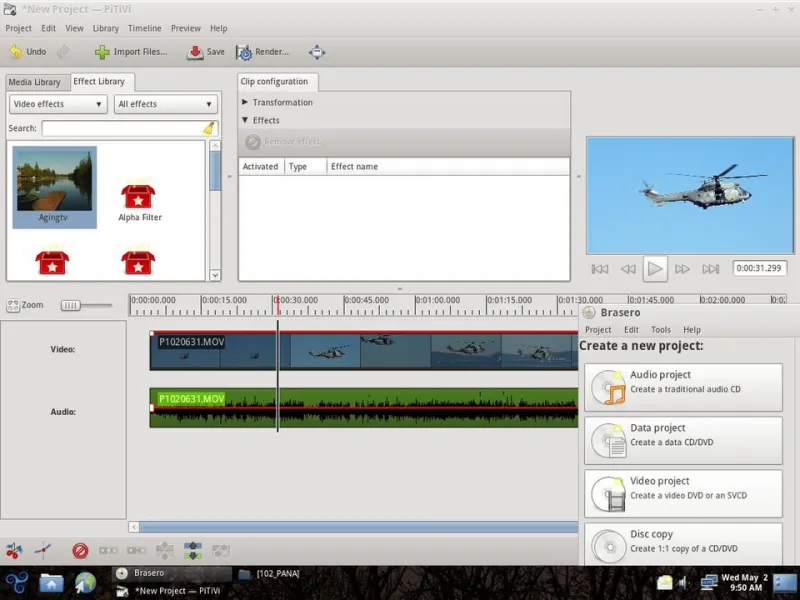
Photo: The Trisquel Project, GFDL 1.3, via Wikimedia Commons
You spent three days on that cut. The pacing felt alive. The color told a story. Every transition earned its place. Then the feedback email landed in your inbox and suddenly you're staring at fourteen bullet points, two of which directly contradict each other, and one that just says "can we make it pop more?"
Welcome to the client feedback trap.
This isn't a rant about difficult clients. Most clients aren't difficult — they're just not editors. They know what they feel, not necessarily what they need. And that gap between feeling and articulation is exactly where your best work can quietly get dismantled, one revision at a time.
The Revision Spiral Is Real
Here's how it usually goes. You deliver a strong first cut. The client has notes. You address them. New notes arrive — sometimes walking back the previous ones. You make more changes. By version six, the edit that made you proud has been sanded down into something safe and forgettable, and nobody's quite sure how it got there.
The spiral happens because feedback tends to accumulate without a filter. Every stakeholder adds their voice. The marketing manager wants it faster. The CEO thinks it should be slower. Someone's spouse watched it and thought the music was too intense. None of these people are wrong, exactly — they're just reacting individually to something that needs to work as a whole.
Your job isn't just to execute notes. It's to hold the line on what makes the piece work.
Not All Feedback Is Created Equal
The first skill worth developing is separating actionable feedback from emotional noise. Actionable feedback tells you something specific is not working — a line of dialogue is unclear, a moment lands too early, the color feels off-brand. That's gold. Take it seriously.
Emotional noise sounds like "I just don't love it" or "something feels off but I can't explain it." That's not useless — it signals that something isn't connecting — but it doesn't tell you what to fix. Chasing vague feelings with specific changes is how you end up in revision hell.
When you get fuzzy notes, ask better questions. "What were you hoping to feel at that moment?" is more useful than "what would you change?" Get them talking about intent, not mechanics. Most clients will tell you exactly what they need once you give them the right prompt.
The Art of Defending Your Choices
This part makes a lot of editors uncomfortable. Defending your creative decisions feels like arguing with the person writing your check. But there's a version of this that's professional, collaborative, and actually earns you more respect — not less.
The key is framing. Don't say "I don't think that's a good idea." Say "Here's why I made that choice, and here's what I think we'd lose by changing it." You're not defending your ego. You're defending the work on behalf of the project.
For example: if a client wants to cut a moment of silence that you intentionally built in, don't just comply. Explain that the pause creates emotional weight — it gives the audience a second to absorb what just happened before the story moves on. Then ask if they'd like to try it both ways. Nine times out of ten, when they see the comparison, they'll understand what that beat was doing.
Clients hired you because you know things they don't. Reminding them of that — gently, confidently — is part of the service.
Setting the Table Before the Feedback Starts
The best time to handle feedback issues is before they happen. When you deliver a cut, don't just drop a link. Include a short note explaining your editorial approach. Tell them what you were going for, what choices you made and why, and what you're hoping they feel when they watch it.
This does a few things. It primes them to watch with context instead of just reacting. It signals that there's intention behind every decision. And it gives you a reference point if the notes start pulling the edit in a conflicting direction — you can say "this note would move us away from the emotional arc we talked about at the start."
Think of it less like covering yourself and more like bringing the client into your process. People are way less likely to tear apart something they understand.
When You Have to Let It Go
Sometimes the client is right. That's worth saying plainly. Your instincts are trained and sharp, but they're not infallible. There are moments when a note that initially feels wrong turns out to reveal something you missed. Stay open to that.
And sometimes — especially on commercial or corporate work — the edit isn't really yours to own. The client has a brand, a legal team, a stakeholder list, and a specific audience. Your job in those contexts is execution with excellence, not authorship. Knowing which projects are which keeps you from pouring creative ego into work that was never meant to carry it.
The trap isn't client feedback itself. The trap is treating every note as either a personal attack or a direct order. Most feedback lives somewhere in the middle — it's a signal worth interpreting, not a command worth obeying blindly.
Building a Feedback Culture That Works for Both of You
Over time, the editors who thrive are the ones who train their clients — quietly, through process — to give better feedback. They do this by asking good questions, presenting work with context, offering comparisons instead of arguments, and consistently showing that their choices are intentional.
When clients learn that you have reasons for what you do, they start trusting you more. They stop sending fourteen bullet points and start sending two or three targeted notes. The relationship gets easier. The work gets better.
That's the goal. Not winning arguments. Not protecting every frame you've ever cut. Just building enough trust that when you say "I think this version is stronger," they actually believe you.
Because the edit you're proudest of is usually the one that didn't get revised into something else.