The Art of Disappearing: How Great Editors Make Themselves Invisible
Photo: film editor working at dark editing suite monitor timeline, via fr.web.img3.acsta.net
There's a weird paradox at the heart of editing: the better you get, the less credit you receive. Nobody walks out of a movie saying, "Wow, that editor really nailed the pacing in act two." They say the movie flowed, the story gripped them, they didn't check their phone once. That's the invisible cut doing its job.
For editors who love the craft—and if you're here, that's probably you—this idea of deliberate invisibility is worth sitting with. Because it's not about being subtle for subtlety's sake. It's about understanding that the edit exists to serve the story, not the other way around.
Why the Brain Wants to Forget You're Watching
Human brains are pattern-recognition machines. The moment something feels off—a jump in eyeline, a music cue that doesn't land, a cut that arrives a half-second too late—the audience snaps out of the story and becomes aware they're watching something constructed. That's the moment you've lost them.
Walter Murch, the legendary editor behind Apocalypse Now and The Godfather Part III, wrote about this in In the Blink of an Eye. His argument: cuts work best when they happen at the moment a character (or the audience) would naturally blink. It sounds almost too simple. But watch a scene you love and pay attention to when you want to look away, even slightly. That's where the cut goes.
The invisible edit isn't about hiding the seam. It's about making the seam feel like a natural breath.
Continuity Is the Foundation, Not the Ceiling
A lot of editors treat continuity as a checklist—make sure the coffee cup is in the same hand, make sure the actor's collar isn't flipped. And yes, all of that matters. But continuity in the deeper sense is about emotional consistency, not just physical.
Take a dialogue scene. You've got coverage from multiple angles, takes that vary in energy, moments where the actor nailed the line but the eyeline was slightly off. The temptation is to cut on the best performance regardless of everything else. But if the emotional temperature jumps between cuts—if one angle feels intimate and the next feels cold—the audience registers that dissonance even if they can't name it.
The fix isn't always about matching the visual. Sometimes it's about finding the take where the feeling matches, even if the technical stuff is slightly messier. Invisible editing often means choosing the cut that feels continuous over the one that looks continuous.
Pacing as a Pressure System
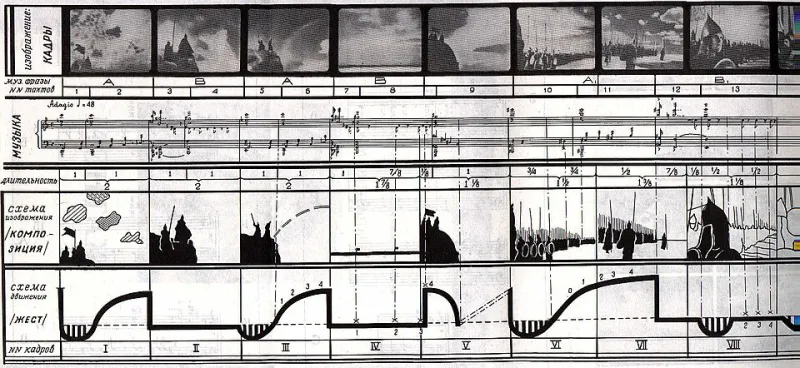
Pacing is probably the most misunderstood concept in editing. People talk about it like it's just about speed—fast cuts equal energy, slow cuts equal drama. But real pacing is more like pressure. You're building and releasing tension, compressing time in some places and stretching it in others, creating a rhythm that the audience doesn't consciously hear but absolutely feels.
Think about how a great sports documentary handles a pivotal moment. The footage leading up to the big play might be cut quickly, building urgency. Then, right at the moment of impact, the edit slows—not with slow motion necessarily, but with longer holds, more deliberate transitions. The audience leans in. Then the release: the crowd reacts, the music swells, and the cuts speed back up. None of that feels "edited." It feels like experience.
The invisible cut is pacing that doesn't announce itself. It's knowing when to rush and when to breathe, and trusting that the audience will follow without being told.
The Transition Trap
Here's a quick one: most of the time, a straight cut is the right call. Dissolves, wipes, and fancy transitions have their place, but they're also the fastest way to remind an audience that they're watching something edited. Every time you reach for a cross-dissolve to cover a timeline gap, ask yourself whether a simple cut with a slight music adjustment would do the same job without flagging the seam.
Transitions draw attention to themselves. Straight cuts, when timed right, disappear. That's not a rule—there are absolutely scenes that call for a slow dissolve to signal the passage of time or a shift in consciousness. But the default should always be: can a cut handle this? If yes, cut.
Sound Does Half the Work (At Least)
One of the most underrated tools for invisible editing is audio overlap. Cutting the picture before the sound, or letting the sound from the next scene bleed in before the visual arrives, creates a subconscious bridge that makes transitions feel earned rather than abrupt.
J-cuts and L-cuts—where audio leads or trails the picture cut—are workhorses for a reason. They simulate the way we naturally experience transitions in real life. You hear a door open before you see who walked in. You're still processing what someone said while the camera has already moved on. These overlaps keep the audience inside the world instead of observing it from outside.
If your edit feels choppy even though the visuals look clean, check your audio transitions first. A hard audio cut almost always feels harder than a hard picture cut.
Restraint Is the Skill
At the end of the day, invisible editing is an exercise in restraint. It's resisting the urge to show off, to use the cool technique you just learned, to cut faster because the music is energetic. It's asking, at every decision point, whether this choice serves the story or serves your ego.
That's not a knock—every editor has an ego, and that instinct is often what makes edits interesting. But the discipline of invisible cutting is knowing when to pull back, when to let a performance breathe, when to trust that the story is doing enough without you adding anything.
The best compliment I've ever gotten on an edit was someone saying they "couldn't stop watching." They didn't mention a single cut. That's the goal. Disappear into the work, and let the work speak for itself.