Get in the Room Before the Camera Does
There's a specific kind of frustration that every editor knows. You open a project folder, start pulling clips into the timeline, and somewhere around hour two you realize the coverage is a mess. The wide shot cuts off at an awkward moment. The lighting shifts between setups in a way that's going to make color matching a nightmare. And that one interview subject everyone loved? Shot against a window, completely backlit, basically useless.
Nobody made these decisions maliciously. They just made them without you.
That's the part worth talking about.
The Problem Isn't the Footage — It's the Process
Editors are almost always brought in after the fact. That's the default workflow for most productions, especially on the independent and small-agency side of things. The director has a vision, the producer locks the schedule, the crew shoots the thing, and then the footage lands on your desk with a "make it work" energy attached to it.
And honestly? Editors are really good at making things work. That's part of the job. But there's a ceiling on what post-production can fix, and experienced editors hit that ceiling constantly — not because they lack skill, but because they're solving problems that didn't have to exist in the first place.
Bad coverage decisions. Missing reaction shots. Scenes that were shot to be cut one way but need to be restructured entirely. Dialogue that overlaps in ways that kill every clean edit point. These aren't editing problems. They're production problems. And the editor is the one who ends up living with them.
What Editors Actually Bring to Pre-Production
Here's something directors and producers don't always think about: editors are story analysts. That's the core of the job. Every cut is a decision about what matters, what moves the story forward, what the audience needs to feel right now. That analytical lens doesn't switch off just because cameras haven't rolled yet.
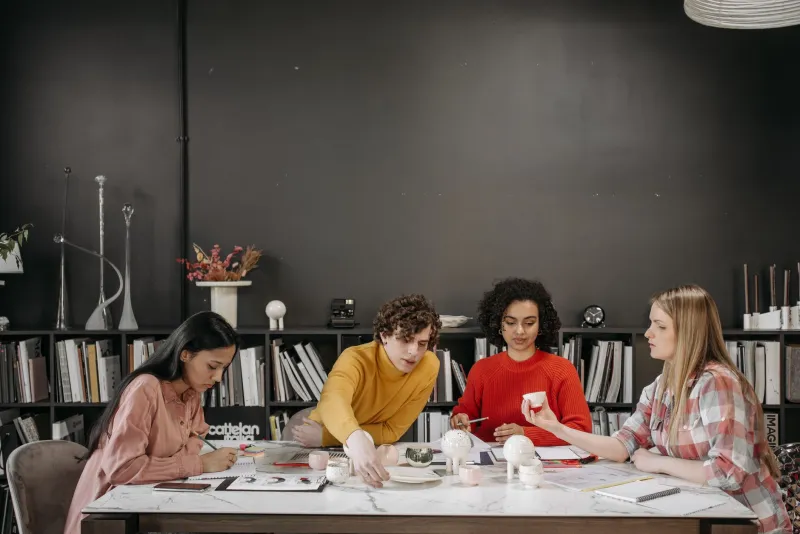
When an editor sits in on a pre-production conversation, they're listening for things nobody else is tracking. They're thinking about how a scene is going to cut together before a single frame exists. They're flagging coverage gaps before they become problems. They're the person in the room asking, "What happens if this interview goes long — do we have a cutaway plan?" or "If we can only do two takes on this, which angle is most critical to protect?"
That kind of thinking saves time, money, and a lot of late nights in the edit suite.
How to Actually Get a Seat at the Table
If you're a freelance editor trying to break into pre-production conversations, the approach matters. You're not trying to take over. You're not second-guessing the director. You're offering a specific kind of value that most productions are leaving on the table.
Start by asking, not demanding. When you're brought onto a project, make it a habit to ask if there's a pre-production call you can jump on — even just to listen. Frame it around serving the edit. Something like, "I'd love to hear about the shoot plan so I can think through anything that might affect the cut" lands a lot better than "I want to be involved in decisions."
Once you're in the room, listen more than you talk. You're there to absorb, not to run the meeting. But when there's a natural opening — when someone's trying to figure out how a scene is going to flow, or debating whether they need a certain shot — that's your moment. Speak to the edit. "That transition is going to be tricky without a cutaway" is a useful, concrete contribution. It's not a power move, it's just doing your job early.
Over time, the clients and collaborators who've worked with you before will start including you automatically. Because they'll remember what it felt like when they didn't.
What to Listen For in Those Early Conversations
If you do get into a pre-production meeting, there are a few things worth paying close attention to:
Coverage assumptions. A lot of shoot plans assume everything will go perfectly. Listen for scenes where there's only one angle planned, or where the schedule is so tight that coverage is going to get cut. Those are the scenes that'll haunt you later.
Story pivots. Sometimes a project's story is still being figured out when pre-production starts. If you hear people debating what the piece is actually about, that's valuable information. It means the edit is going to need flexibility — and you can start thinking about that before the footage exists.
Technical decisions that affect post. Frame rates, shooting formats, whether they're planning to use natural light or controlled lighting — all of this affects your workflow. Getting ahead of it means you're not surprised on day one of the edit.
What the client loves. Pay attention to what gets people excited in those early conversations. The stuff that lights up the room before the shoot is usually the stuff the client is going to protect in the cut. Knowing that early means you can plan around it.
The Editor as a Creative Partner, Not Just a Finisher
The old model of the editor as the person who shows up at the end and assembles the footage is fading — slowly, but it's fading. The productions that are doing their best work right now tend to treat the editor as a creative collaborator across the whole process, not just a post-production vendor.
That shift is good for everyone. Directors get edits that reflect the coverage they actually shot. Clients get projects that come in closer to what they imagined. And editors get to work on material that was designed with the cut in mind.
If you're a freelance editor trying to level up your work and your client relationships, getting into the room before the camera rolls is one of the highest-leverage things you can do. It's not about expanding your job description for its own sake. It's about doing the job better — starting earlier than anyone expects you to.
The edit begins before the first clip drops into the timeline. The editors who understand that are the ones building careers worth having.